
- Homeowners often overlook subtle sewer warning signs that signal developing failure long before visible damage or backups occur, allowing preventable issues to escalate.
- Understanding how drain behavior, odors, landscape changes, and sound patterns connect provides practical insight into sewer health and empowers confident preventative decisions.
- Plumbing Done Right supports homeowners through clear evaluations and thoughtful solutions that address sewer concerns early, protecting property value and household stability.
Sewer line failure rarely begins with a dramatic backup or visible damage. In many homes, the process unfolds quietly, with small changes that feel inconvenient rather than alarming. Homeowners often adapt around these issues instead of recognizing them as early indicators of deeper trouble. Understanding these subtle patterns can prevent costly repairs, structural disruption, and prolonged household stress.
Sewer systems age, shift, and respond to environmental pressure over time. Soil movement, tree root behavior, pipe material fatigue, and usage patterns combine in ways that are difficult to observe directly. What homeowners can observe are repeated signals that something beneath the surface has changed. When those signals are understood in context, they provide valuable time to act before the situation escalates.
This guide explores overlooked warning signs that indicate developing sewer line failure. The goal is not to alarm but to inform, offering homeowners practical insight into what their plumbing behavior is communicating and how early intervention protects both property and peace of mind.
Drain Behavior Changes That Do Not Follow Normal Logic
Most homeowners expect slow drains during heavy use, such as after multiple showers or appliance cycles. The overlooked pattern appears when drains behave inconsistently without a clear cause. A sink that drains slowly one day and normally the next suggests intermittent obstruction deeper within the sewer line rather than a localized clog.
These fluctuations occur when partial blockages shift position. Grease accumulation, root intrusion, or pipe deformation can create temporary choke points. Water pressure sometimes forces passage, giving the illusion that the problem resolved. In reality, the obstruction remains and continues to grow.
Another sign appears when different fixtures respond at different times. A bathtub backing up after toilet use, or a washing machine discharge affecting a nearby sink, indicates a pressure imbalance within the main line. Homeowners may attempt repeated chemical treatments, which provide short relief while accelerating pipe deterioration. The key pattern to notice is the irregularity that defies normal household use.
Recurring Odors That Appear and Disappear
Sewer odors that persist consistently often prompt quick action. The overlooked warning lies in odors that appear sporadically and vanish without explanation. These smells may surface after rainfall, during temperature shifts, or following periods of heavy water use.
Intermittent odors suggest compromised seals or microfractures within the sewer line. As pressure changes, gases escape through weakened points. When conditions stabilize, the odor dissipates, leading homeowners to dismiss the event.
Another pattern involves odors localized to specific rooms rather than the entire house. This can indicate that the sewer line slope has changed, allowing waste to linger in certain sections. The smell becomes noticeable only when gases accumulate beyond a threshold.
Ignoring these transient signals allows deterioration to continue unchecked. Odors are a communication from the system, indicating that containment integrity is no longer reliable.
Unexplained Lawn or Landscape Changes
Outdoor warning signs are frequently overlooked because they appear unrelated to plumbing. A patch of grass that grows faster or greener than the surrounding areas may indicate a nutrient source below the surface. While this may appear beneficial at first glance, it often signals a leak in the sewer line.
As wastewater escapes, it alters soil composition. Over time, this moisture softens the surrounding soil, increasing the risk of pipe misalignment or collapse. Homeowners may attribute the change to irrigation patterns or fertilizer runoff, missing the underlying cause.
Conversely, sunken areas or minor depressions in the yard can indicate soil displacement. Sewer leaks wash away fine particles, creating voids that eventually surface. These changes often develop gradually, making them easy to overlook until damage becomes extensive.
Observing the landscape as part of plumbing health provides early insight that indoor fixtures cannot offer.
Increased Pest Activity Near Plumbing Access Points
Rodents and insects seek moisture and organic material. An increase in pest activity near drains, cleanouts, or basement areas can indicate compromised sewer lines. Cracks and joint separations create entry points that pests exploit.
This pattern often emerges subtly. A homeowner may notice increased insect presence near a floor drain or hear rodents in the walls near bathrooms. Pest control measures may reduce symptoms temporarily, yet the attraction remains.
The overlooked factor is the relationship between sewer integrity and pest behavior. Healthy sewer lines do not emit constant moisture or odor. When they do, they become attractants. Addressing the plumbing source resolves the pest issue more effectively than repeated treatments.
Foundation Moisture Without a Clear Source
Moisture near foundations is commonly attributed to weather or drainage issues. When moisture appears consistently near plumbing routes, it may indicate a slow sewer leak. This pattern often develops in basements or crawl spaces where visibility is limited.
Sewer leaks differ from water supply leaks in that they often carry organic material. Over time, this creates distinct staining or odor patterns that appear faint at first. Homeowners may install dehumidifiers or improve exterior drainage while the internal cause persists.
The overlooked risk involves structural impact. Prolonged moisture exposure weakens foundation materials and encourages microbial growth. Identifying sewer-related moisture early protects both structural integrity and indoor air quality.
Sounds That Signal Pressure Imbalance
Plumbing sounds are often dismissed as normal. Gurgling noises, particularly after flushing or draining, indicate air displacement within the system. Occasional sounds may occur in healthy systems, yet repeated gurgling suggests partial blockage or venting disruption tied to sewer line issues.
When wastewater struggles to move freely, it pulls air through traps and vents, creating audible cues. These sounds often precede visible backups by months. Homeowners may grow accustomed to them, assuming older homes naturally produce such noises.
The pattern to recognize involves frequency and correlation. Sounds that occur alongside slow drainage or odor episodes point to developing sewer restrictions. Listening carefully provides valuable diagnostic information without invasive inspection.
Repeated Need for Drain Cleaning
Occasional drain maintenance is expected. A pattern of frequent cleaning across multiple fixtures indicates systemic issues. Homeowners may schedule annual or semi-annual cleanings, believing they are maintaining the system, while overlooking why buildup returns so quickly.
Sewer lines with compromised slope or interior damage accumulate debris faster. Each cleaning removes symptoms while leaving the root cause untouched. Over time, cleaning tools can worsen existing weaknesses, especially in older pipe materials.
The overlooked warning is repetition itself. When maintenance becomes routine rather than preventative, it signals that the system is compensating for underlying failure. Addressing structure rather than symptoms extends system life and reduces long-term cost.
Toilet Performance Changes That Feel Minor
Toilets provide clear feedback when sewer issues develop. Subtle changes such as delayed flushing response, fluctuating water levels, or occasional bubbling may feel insignificant. These behaviors indicate pressure inconsistencies within the main line.
A toilet that requires repeated flushing to clear waste may not be experiencing a bowl issue. Instead, resistance downstream slows evacuation. Over time, this resistance increases, leading to backups that affect multiple fixtures.
Because toilets are used frequently, homeowners often normalize gradual changes. Paying attention to early performance shifts allows intervention before disruption spreads.
Weather-Related Patterns That Repeat
Sewer problems influenced by weather are frequently misunderstood. Backups or odors following heavy rain may be attributed to municipal systems or temporary conditions. When these events repeat under similar weather patterns, the issue likely lies within the private sewer line.
Rainwater saturates soil, increasing pressure on compromised pipes. Cracks widen, joints shift, and root intrusion becomes more active. Once conditions dry, symptoms recede, creating a cycle that appears unpredictable unless patterns are tracked.
Recognizing weather correlation provides insight into pipe integrity and soil interaction. It also highlights the urgency of inspection before seasonal stress causes permanent failure.
Aging Pipe Materials and Deferred Evaluation
Homes built during certain periods used materials now known to degrade in specific ways. Clay, cast iron, and early plastic pipes each carry distinct failure patterns. Homeowners may be unaware of what material lies beneath their property or assume longevity without verification.
The overlooked issue involves deferred evaluation. Pipes age regardless of visible symptoms. When combined with subtle warning signs, aging materials elevate risk significantly. Waiting for obvious failure often results in emergency repairs rather than planned solutions.
Understanding material-specific behavior allows homeowners to interpret early signs accurately. Proactive assessment reduces surprise and supports informed decision-making.
Emotional and Financial Impact of Ignored Signals
Ignoring early warning signs carries emotional cost alongside financial burden. Emergency sewer failure disrupts daily routines, creates unsanitary conditions, and demands immediate decisions under stress. Homeowners often express regret for dismissing early signs they noticed months earlier.
Addressing issues early provides control. Planned inspections and repairs occur on the homeowner’s timeline, with a clearer understanding of the scope and cost. This approach reduces anxiety and protects household stability.
Recognizing warning signs empowers homeowners to act with confidence rather than react under pressure.
The Value of Professional Evaluation at the Right Time
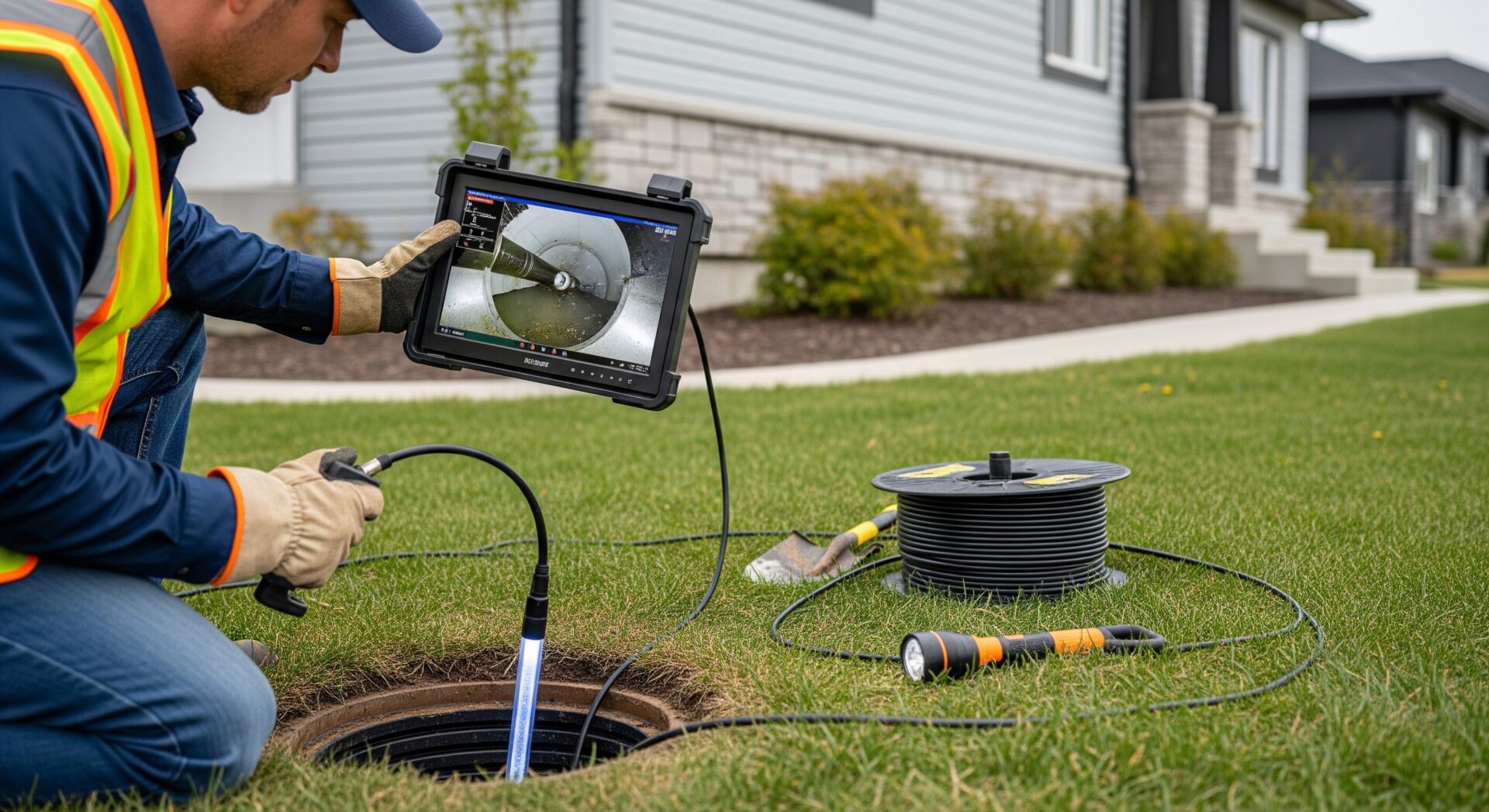
Modern diagnostic tools allow professionals to assess sewer line condition with minimal disruption. Video inspections reveal interior conditions that surface symptoms cannot fully reveal. Early evaluation transforms uncertainty into clarity.
The overlooked opportunity lies in timing. Seeking evaluation when signs first appear prevents escalation. Professionals can recommend targeted solutions rather than full replacement when damage remains limited.
Homeowners benefit from partnering with service providers who prioritize education and transparency. Understanding the why behind recommendations builds trust and leads to better outcomes.
Building Awareness as Preventative Care
Sewer systems operate quietly, making awareness essential. Homeowners who view plumbing behavior as a form of communication gain insight that others miss. Small changes, when observed collectively, tell a clear story.
Preventive care involves observation, documentation, and timely consultation. It does not require constant worry, only attentiveness. When homeowners understand what to watch for, they protect their investment and maintain comfort.
Early warning signs exist for a reason. Listening to them transforms a potential crisis into manageable maintenance.
Taking the Next Step With Confidence
When signs point toward a sewer line concern, taking action promptly brings peace of mind. Professional guidance clarifies options and prevents unnecessary disruption. Homeowners who address issues early often find solutions simpler than expected.
Awareness paired with action creates resilience. Sewer line health supports every aspect of household function, making early attention a valuable form of care.
If subtle sewer warning signs feel familiar, Plumbing Done Right can help. Our team evaluates sewer concerns thoroughly, explains findings clearly, and recommends practical solutions that protect your home, schedule, and budget with care and professionalism. Call us at 805-844-3699 today.
Recent Comments